Sagging gutters are more than just a cosmetic issue – they are usually a warning sign that your home’s drainage system isn’t functioning properly. While it can be tempting to just ignore a slight dip or uneven section along your roofline, these small imperfections can be an indication of larger problems within your gutter system that may lead to costly water damage if not addressed.
Why Gutters Sag
Gutters are designed to direct water from your roof into downspouts while remaining securely attached to your home. When they begin to sag, it typically means the system is under strain. Common causes of sagging gutters include:
- Clogged gutters from twigs, leaves, dirt, and debris buildup
- Standing water adding extra weight to the system
- Loose or broken brackets that no longer support the gutter
- Improper slope that prevents water from draining correctly
- Aging materials that have weakened over time
Poor Drainage Is Often the Problem
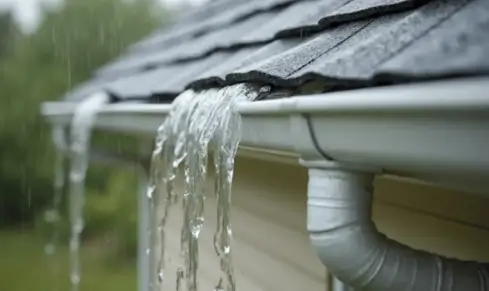
Sagging gutters are most frequently a sign of poor drainage. When water can’t move freely through the gutter system, it begins to accumulate in certain areas. This standing water adds significant weight, especially during heavy rain, that causes the gutter to pull away from the fascia board, creating a visible sag. Unfortunately, once this process begins, it tends to worsen quickly.
Some indicators that your drainage system is failing are:
- Water collecting in low spots in the gutter
- Overflow during rainstorms
- Downspouts not clearing water efficiently
- Debris buildup that restricts water flow
If you notice these issues, sagging is often just the first visible symptom of a bigger issue.
How Sagging Gutters Lead to More Problems
When gutters sag, they are no longer able to properly divert water away from your home. Instead of flowing toward downspouts, water may spill over the edge or sit stagnant in particular sections. This can lead to serious issues such as:
- Roofline damage, including rotting fascia boards, roof leaks, and shingle deterioration
- Siding degradation from repeated water exposure
- Foundation problems caused by water pooling near the base of the home
- Landscape erosion due to water runoff
Why Quick Fixes Won’t Cut It
It’s common for homeowners to attempt a quick fix like reattaching a loose section or adding a new bracket. While this may temporarily improve the appearance, it doesn’t usually remedy the underlying drainage problem. If clogs, improper slope, or weakened materials aren’t properly addressed, the sagging is likely to return.
See also: Retirement Planning After the Kids Leave Home
Fixing the System, Not Just the Symptom
To truly resolve sagging gutters, homeowners need to focus on restoring proper drainage. Whether they tackle the job themselves or hire a professional, steps to take could include:
- Regularly cleaning out debris
- Adjusting the gutter slope to ensure proper flow
- Reinforcing or replacing brackets and fasteners
- Making sure downspouts are clear and properly positioned
- Replacing worn out materials
By addressing the root cause, homeowners can extend the life of their gutter system and protect their home from water damage. Because sagging gutters aren’t just a maintenance issue – they’re a signal, and paying attention to that signal early can save time, money, and stress in the long run.