Smart contracts represent a significant advancement in contractual agreements, leveraging blockchain technology to automate and secure transactions. These self-executing contracts operate on predetermined conditions, minimizing reliance on intermediaries. Their implementation can transform various industries by enhancing efficiency and reducing operational costs. However, the intricacies of their functionality and potential applications warrant further examination. Understanding these elements is crucial for grasping the broader implications of smart contracts in today’s digital economy.
What Are Smart Contracts?
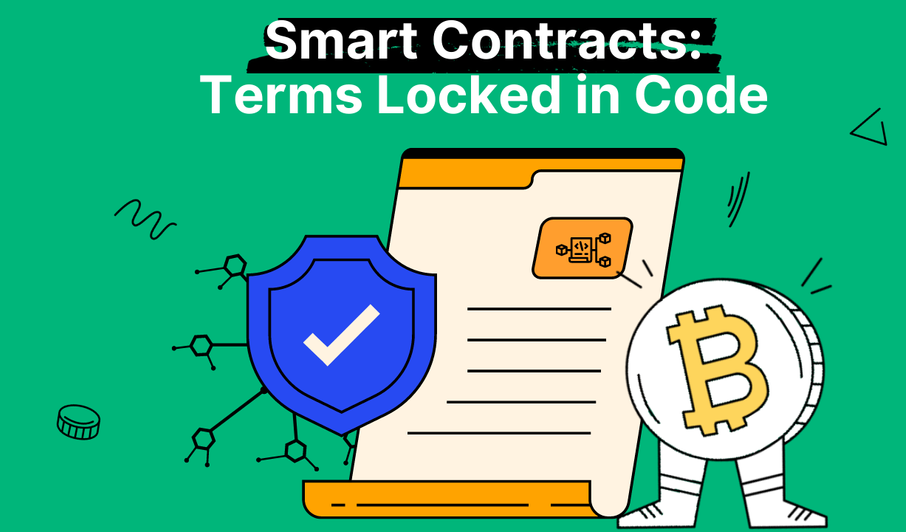
Smart contracts represent a transformative innovation in the realm of digital transactions, functioning as self-executing contracts with the terms of the agreement directly written into code.
These decentralized agreements enable automated execution, eliminating the need for intermediaries.
How Do Smart Contracts Work?
How do smart contracts facilitate automated transactions?
Smart contracts utilize blockchain technology to execute digital agreements autonomously. When predetermined conditions are met, the contract execution occurs without intermediary involvement, ensuring transparency and security.
This automation reduces the risk of human error and enhances efficiency, enabling parties to engage in direct transactions.
Ultimately, smart contracts represent a paradigm shift in how contractual obligations are fulfilled.
See also: Smart Automation Technologies Explained
Benefits of Using Smart Contracts
The adoption of smart contracts presents numerous advantages that enhance traditional contractual processes.
Primarily, they offer significant cost savings by minimizing the need for intermediaries, thus reducing associated fees.
Furthermore, the inherent automation of smart contracts accelerates transaction speed, enabling near-instantaneous execution and settlement.
Collectively, these benefits empower users with greater efficiency and financial freedom, reshaping the landscape of contractual agreements.
Real-World Applications of Smart Contracts
Transforming various industries, real-world applications of smart contracts demonstrate their versatility and effectiveness across multiple sectors.
In supply chain management, they enhance transparency and traceability.
In insurance claims, automation streamlines processes, reducing fraud.
Real estate transactions benefit from secure, tamper-proof agreements, while intellectual property rights management utilizes smart contracts for enforcing ownership and licensing, ensuring creators receive fair compensation effortlessly.
Conclusion
In conclusion, smart contracts represent a transformative shift in how agreements are executed across various industries. By removing intermediaries, they not only enhance efficiency but also significantly reduce costs associated with traditional contract management. Notably, a Gartner report predicts that by 2025, 70% of enterprises will use smart contracts, illustrating their growing importance in digital transactions. This statistic underscores the potential for innovation and the increasing trust in blockchain technology, which is set to redefine the landscape of contractual relationships.