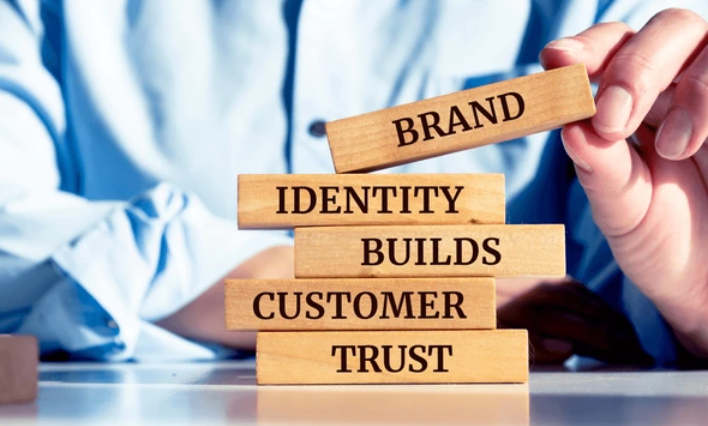
Licensing is a fundamental concept in modern business that allows companies and individuals to legally use intellectual property, products, or services owned by another party. It plays a crucial role in expanding markets, generating revenue, and fostering innovation without requiring full ownership or heavy investment. From global brands to small startups, licensing has become an essential strategy for growth and collaboration.
In recent years, innovative approaches such as Throttl Licensing have emerged, offering more flexible and scalable ways to manage licensing agreements. This article provides a detailed exploration of licensing, its types, benefits, challenges, and how Throttl Licensing is shaping the future of business expansion.
What is Licensing?
Licensing is a legal arrangement in which the owner of a particular asset, known as the licensor, grants permission to another party, the licensee, to use that asset under specific conditions. The asset may include intellectual property such as trademarks, patents, copyrights, trade secrets, or even business models.
In return, the licensee typically pays a fee, royalty, or a combination of both. Licensing agreements clearly define the scope of use, duration, geographic territory, and other critical terms to protect both parties.
Key Elements of Licensing
A successful licensing agreement is built on several essential components:
1. Intellectual Property (IP)
This is the core asset being licensed. It could be a brand name, logo, patented technology, software, or creative content.
2. Licensing Agreement
A legally binding contract that outlines the rights and responsibilities of both licensor and licensee.
3. Royalty Structure
The financial arrangement, often based on a percentage of sales or fixed payments.
4. Scope and Limitations
Defines how, where, and for how long the licensed asset can be used.
5. Quality Control
Ensures that the licensee maintains standards consistent with the licensor’s reputation.
Types of Licensing
Licensing can take many forms depending on the nature of the asset and the industry involved.
1. Trademark Licensing
This allows the licensee to use a brand name, logo, or trademark. It is common in fashion, retail, and consumer goods industries.
2. Patent Licensing
Involves granting rights to use a patented invention. This is widely used in technology, pharmaceuticals, and manufacturing.
3. Copyright Licensing
Applies to creative works such as books, music, films, and software.
4. Technology Licensing
Allows businesses to use proprietary technology, systems, or processes.
5. Franchise Licensing
A hybrid model that combines licensing with a complete business system, often including branding, operations, and support.
Advantages of Licensing
Licensing offers numerous benefits for both licensors and licensees.
For Licensors:
- Revenue Generation – Earn royalties without direct involvement in operations.
- Market Expansion – Enter new regions or industries with minimal investment.
- Risk Reduction – Share business risks with licensees.
- Brand Growth – Increase visibility and recognition.
For Licensees:
- Access to Established Brands – Benefit from existing reputation.
- Lower Investment – Avoid the cost of developing new products or technology.
- Faster Market Entry – Launch products quickly using proven assets.
- Technical Support – Gain expertise and guidance from the licensor.
Challenges of Licensing
While licensing is advantageous, it also presents certain challenges.
For Licensors:
- Loss of Control – Limited oversight of how the asset is used.
- Brand Dilution – Poor quality by licensees can harm reputation.
- Legal Risks – Disputes over contract terms or misuse of IP.
For Licensees:
- Royalty Payments – Ongoing costs can impact profitability.
- Restrictions – Limited flexibility in modifying the product or service.
- Dependence – Reliance on the licensor for continued rights and support.
Licensing vs Franchising
Licensing and franchising are often confused but differ significantly:
- Licensing focuses on granting rights to use intellectual property.
- Franchising includes a complete business model with operational guidelines.
Licensing generally offers more flexibility, while franchising provides more structure and support.
Legal Aspects of Licensing
Legal considerations are critical in licensing agreements. Key elements include:
- Contract Terms – Clearly defined rights, obligations, and limitations.
- Intellectual Property Protection – Safeguards against unauthorized use.
- Termination Clauses – Conditions under which the agreement can end.
- Dispute Resolution – Mechanisms to handle conflicts.
Proper legal drafting ensures transparency and minimizes risks for both parties.
The Emergence of Throttl Licensing
As business environments become more dynamic, traditional licensing models are evolving. One such innovation is Throttl Licensing, a modern approach designed to provide greater flexibility and scalability.
Throttl Licensing introduces a more adaptive framework where licensing rights can be adjusted based on performance, market conditions, or strategic goals. Instead of rigid, long-term agreements, this model allows businesses to “throttle” or control the extent and pace of licensing.
Key Features of Throttl Licensing
Throttl Licensing offers several distinctive advantages:
1. Flexibility
Agreements can be modified to suit changing business needs.
2. Performance-Based Scaling
Licensing rights can expand or contract depending on results.
3. Lower Entry Barriers
Reduced upfront costs make it accessible to more businesses.
4. Controlled Growth
Licensors can manage expansion more effectively.
5. Innovation-Friendly
Encourages experimentation and adaptation in new markets.
Applications of Throttl Licensing
Throttl Licensing is particularly relevant in industries that require agility and rapid scaling:
- Technology and Software – SaaS platforms and digital tools
- E-commerce – Online marketplaces and brand collaborations
- Education – Digital learning platforms
- Media and Entertainment – Content distribution and streaming
This model allows companies to test markets, optimize performance, and scale efficiently.
Steps to Create a Licensing Agreement
For businesses looking to enter into licensing arrangements, the following steps are essential:
1. Identify Assets
Determine what intellectual property or resources will be licensed.
2. Define Objectives
Clarify the goals of the licensing arrangement.
3. Draft Agreement
Create a detailed contract covering all terms and conditions.
4. Negotiate Terms
Ensure mutual understanding and agreement between parties.
5. Monitor Performance
Track compliance and performance throughout the agreement.
6. Review and Adjust
Update terms as needed, especially in models like Throttl Licensing.
The Future of Licensing
Licensing continues to evolve alongside global business trends. Key developments include:
- Digital Licensing – Growth of online platforms and digital assets
- Global Collaboration – Cross-border partnerships
- Sustainability – Eco-conscious licensing practices
- Hybrid Models – Combining licensing with franchising and Throttl Licensing
Businesses are increasingly seeking flexible and scalable solutions, making innovative approaches like Throttl Licensing more relevant than ever.
Conclusion
Licensing is a powerful tool that enables businesses to expand, innovate, and generate revenue without heavy capital investment. By allowing controlled use of intellectual property, it creates opportunities for both licensors and licensees to grow and succeed.
However, successful licensing requires careful planning, strong legal agreements, and effective management. Challenges such as maintaining quality, protecting intellectual property, and ensuring compliance must be addressed proactively.
The rise of Throttl Licensing represents a significant step forward in the evolution of licensing. By offering flexibility, scalability, and performance-based control, it aligns with the needs of modern businesses operating in fast-changing markets.
In conclusion, whether through traditional licensing or advanced models like Throttl Licensing, the key to success lies in building strong partnerships, maintaining trust, and adapting to the ever-evolving business landscape.