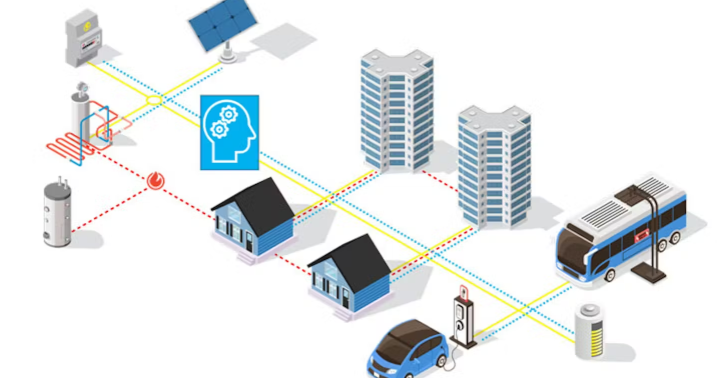
Smart grids represent a significant advancement in energy management through the integration of digital communication technologies. These systems enhance real-time monitoring and data analytics, allowing for efficient electricity distribution. The ability to incorporate renewable energy sources is a crucial aspect of modern grids. However, the full implications of these innovations on energy consumption patterns and sustainability initiatives remain to be explored. What challenges and opportunities lie ahead in this evolving landscape?
How Smart Grids Function
A smart grid is an advanced electrical grid that utilizes digital communication technology to enhance the efficiency, reliability, and sustainability of electricity services.
It functions through the integration of smart meters, which provide real-time data on energy consumption. Data analytics processes this information, enabling utilities to optimize energy distribution, predict demand fluctuations, and empower consumers with insights.
Ultimately, this supports a more decentralized energy management approach.
See also: Smart Contracts Explained
Benefits of Smart Grids
The integration of smart grids brings numerous benefits that significantly enhance energy management systems.
These systems facilitate cost savings through optimized energy distribution and reduced operational expenses.
Additionally, smart grids improve energy efficiency by enabling real-time monitoring and demand response capabilities.
This leads to a more reliable and flexible energy infrastructure, empowering consumers to manage their energy use effectively while promoting sustainability.
Integration of Renewable Energy
As renewable energy sources become increasingly prevalent, their integration into smart grids presents both challenges and opportunities for energy management.
Effective management requires advanced energy storage solutions to balance intermittent supply and demand. Incorporating renewable sources enhances grid resilience and sustainability, yet necessitates robust infrastructure and real-time monitoring systems.
This evolution towards decentralized energy systems empowers consumers and fosters greater energy independence and efficiency.
The Future of Energy Management
While advancements in technology and data analytics continue to reshape the energy landscape, the future of energy management will be defined by the integration of automation, artificial intelligence, and decentralized systems.
Demand response initiatives will enhance energy efficiency, enabling consumers to optimize usage based on real-time data.
This shift empowers individuals while promoting sustainability, ultimately fostering a more resilient and adaptive energy ecosystem.
Conclusion
In conclusion, the evolution of smart grids coincides fortuitously with the global push for sustainability, creating a symbiotic relationship between advanced technology and environmental stewardship. As these grids enhance energy management through real-time data and demand response strategies, they simultaneously pave the way for a more resilient energy ecosystem. This convergence not only empowers consumers but also accelerates the integration of renewable energy sources, highlighting the critical role of innovation in shaping the future of energy management.