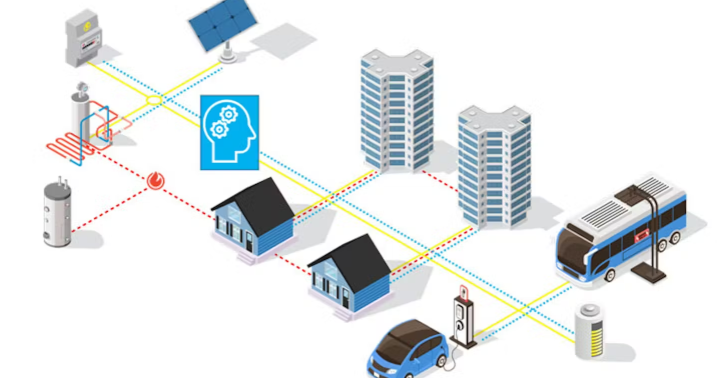
Smart automation technologies are reshaping the landscape of business operations. By integrating robotic process automation and machine learning, organizations can streamline tasks and improve efficiency. This shift not only reduces human error but also empowers teams to concentrate on strategic initiatives. As industries undergo significant transformations, understanding these technologies becomes essential. What implications do these advancements hold for the future of work and organizational growth?
Understanding Smart Automation Technologies
As industries increasingly embrace technological advancements, understanding smart automation technologies becomes essential for organizations aiming to enhance efficiency and productivity.
Smart automation encompasses robotic process automation and machine learning, enabling systems to perform tasks with minimal human intervention.
This convergence of technologies allows businesses to optimize operations, reduce errors, and foster innovation, ultimately creating a more agile and responsive environment in a rapidly evolving market landscape.
Key Benefits of Implementing Automation
Implementing automation can significantly transform organizational operations, leading to enhanced efficiency and productivity.
By streamlining processes and reducing manual intervention, businesses can achieve substantial cost savings.
Automation not only minimizes errors but also enables employees to focus on higher-value tasks, fostering innovation.
Ultimately, the increased efficiency gained through automation empowers organizations to thrive in competitive landscapes while embracing a more liberated operational framework.
Industries Transforming Through Automation
While many industries are experiencing significant transformations, automation stands out as a pivotal force reshaping operations across various sectors.
In manufacturing, automation enhances manufacturing efficiency by streamlining production processes, reducing waste, and increasing output.
Meanwhile, retail innovation thrives through automated inventory management and personalized customer experiences, enabling businesses to adapt swiftly to market demands and improve overall operational agility.
Future Trends in Smart Automation
With the rapid advancement of technology, the future of smart automation is poised to redefine operational paradigms across industries.
Machine learning will enhance predictive analytics, enabling systems to adapt autonomously. Simultaneously, robotic process automation will streamline workflows, liberating human workers from repetitive tasks.
Together, these innovations promise increased efficiency, fostering environments that prioritize creativity and strategic thinking over mundane operations.
Conclusion
In conclusion, smart automation technologies are not merely tools; they are the architects of a new operational landscape. By weaving efficiency into the fabric of various industries, these innovations empower organizations to soar above traditional limitations. As businesses increasingly embrace automation, they unlock the potential for growth and innovation, transforming challenges into opportunities. As the future unfolds, the relentless march of smart automation will continue to reshape our world, driving progress and redefining success across sectors.