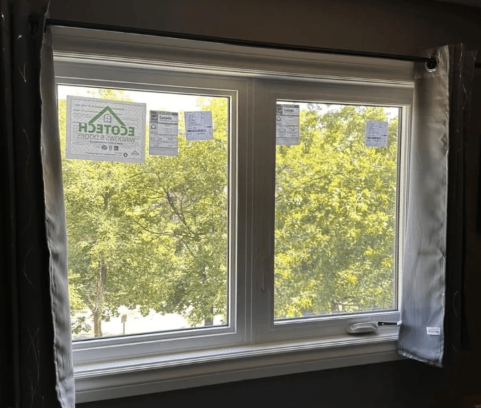
When homeowners start thinking about replacing windows, they often focus on aesthetics first: how the window looks from the street, what it does for curb appeal, whether it fits the style of the house. Those are valid considerations. But in a climate like Ontario’s, where temperatures can swing from minus thirty to plus thirty-five within a single year, what a window does thermally matters just as much as how it looks.
Casement windows have become one of the most popular replacement choices across the GTA and surrounding areas for exactly this reason. They combine clean modern lines with mechanical performance that is genuinely superior to older single or double-hung designs. If you are approaching a window replacement project and casement windows are not already on your radar, they deserve a closer look.
Before diving into specifics, it is worth noting that Energy-Efficient Casement Window Installation in Toronto requires more than just selecting the right product. The installation method, the quality of the frame, and how the window is sealed all contribute to how well it performs over time.
What Makes Casement Windows Different
A casement window is hinged on one side and swings outward when opened, controlled by a crank mechanism. Unlike double-hung windows, which slide up and down and rely on a channel to create a seal, casement windows compress the entire frame against the seal when closed. This compression creates a much tighter air barrier.
That tighter seal has measurable consequences for energy efficiency. A well-installed casement window eliminates drafts at the sash more effectively than most other window styles, which means less heated or cooled air escapes from your living space. In a region where heating costs are a significant annual expense, this matters.
There is also a ventilation advantage. When open, a casement window acts like a scoop, catching breezes and directing airflow into the room. For rooms where cross-ventilation is desirable during warmer months, this makes casement windows significantly more effective at natural cooling than sliders or fixed windows.
Frame Material Matters as Much as Style
In Ontario’s climate, the material a window frame is made from determines a great deal of its long-term performance. Wood frames are beautiful but require regular maintenance and can warp or swell with moisture exposure. Aluminum conducts heat, which means it can contribute to thermal bridging, transferring cold from outside to the interior surface. Vinyl has become the standard recommendation for Ontario homes precisely because it resists all of these issues.
High-quality vinyl frames do not warp, crack, rot, or require painting. They also have a significantly lower thermal conductivity than aluminum, meaning they do not transfer cold in winter or heat in summer as readily. When combined with quality glazing, they form the backbone of a well-performing window system.
See also: Smart Home Security Systems Explained
Glazing: Where Most of the Energy Performance Lives
The glass itself is responsible for the majority of heat gain and heat loss in a window. Single-pane glass offers essentially no insulation. Double-pane glass with an argon gas fill between the panes raises the performance considerably. Triple-pane goes further still, and in a climate like Ontario’s, the upgrade is often worth the additional cost, especially for windows facing north or in rooms where comfort is a priority.
Low-emissivity coatings, commonly called Low-E, are applied to the glass surface to reduce the transmission of infrared radiation. In practical terms, this means the coating helps keep heat inside during winter and reflects solar heat during summer. According to Natural Resources Canada, windows account for up to 25% of a home’s total heat loss, which means upgrading to energy-efficient glazing can make a noticeable difference in both comfort and utility bills.
Installation Quality Changes Everything
A window that performs beautifully in a factory can underperform significantly if the installation is not done correctly. The two main installation methods in Ontario are retrofit (insert) installation, where the new window goes into the existing frame, and full frame (brick-to-brick) replacement, where the entire frame is removed down to the rough opening.
Full frame replacement allows for inspection and replacement of any damaged or rotted framing, ensures proper insulation around the rough opening, and achieves the best possible air and water seal. For older homes, it is often the recommended approach because it addresses problems that a retrofit installation would simply leave hidden behind the new window.
The quality of flashing, sealants, and insulation around the frame is what determines whether the window performs as designed or develops air infiltration issues over time.
Other Practical Advantages Worth Knowing
Beyond energy performance, casement windows offer a few practical advantages that make them a strong choice for specific situations. Because the crank mechanism means you never need to reach up or strain to open them, they work particularly well in kitchens above countertops or in any location where a double-hung would be awkward to operate. The unobstructed glass surface also means better sightlines and more natural light compared to windows with divided lites or sliding mechanisms.
Casement windows also tend to be easier to clean than most other styles. Both sides of the glass can be accessed from inside when the window is in the fully open position, which is a practical benefit that homeowners tend to appreciate more and more over time.
If you are replacing windows and live in Ontario, the combination of vinyl frames, insulated glazing, and a properly installed casement window is a strong investment in both the comfort and efficiency of your home.