The Evolving World of Modern Dermatology
Dermatology sits at a unique intersection of medicine and visibility. At its core, the specialty focuses on diagnosing, treating, and preventing conditions that affect the skin, hair, and nails. Dermatologists are trained to recognize thousands of distinct conditions, from acne and eczema to autoimmune disorders and various forms of skin cancer. Because the skin often reflects internal health, dermatology frequently overlaps with other areas of medicine. A persistent rash may signal something systemic. Hair thinning might point to a hormonal imbalance. The specialty demands both clinical precision and careful interpretation.
Yet modern dermatology does not operate in isolation. Practices exist within competitive local markets. Patients search online, compare providers, read reviews, and explore treatment options before scheduling appointments. This shift in behavior has changed how dermatology practices grow. Clinical excellence remains essential, but it must be paired with strategic communication. This is where marketing becomes a meaningful partner rather than an afterthought.
Medical and Aesthetic Services in a Competitive Landscape
Dermatology encompasses two broad areas that often work side by side: medical dermatology and aesthetic services. Medical dermatology focuses on chronic inflammatory conditions, infections, and early detection of serious concerns such as melanoma. Preventive skin exams and ongoing management plans are central to long-term care. These services require trust, continuity, and patient education.
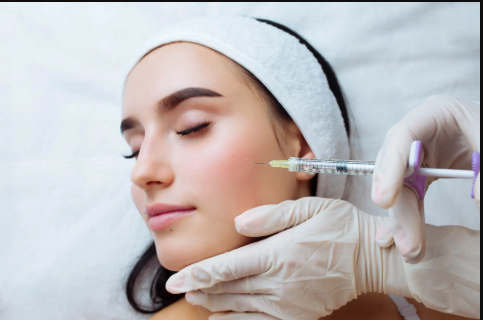
At the same time, aesthetic dermatology has expanded significantly. Laser treatments, injectables, resurfacing procedures, and scar therapies have become increasingly common. While sometimes viewed as cosmetic enhancements, these treatments often influence self-confidence and social comfort in profound ways. Advances in technology have made procedures more precise and recovery times shorter, increasing demand across a wider patient base.
For practices offering both medical and aesthetic services, communication becomes especially important. Patients need clarity about what a clinic specializes in and how services differ. Marketing helps bridge this understanding. It allows practices to explain treatment options, highlight physician expertise, and present realistic expectations. Without clear messaging, even highly skilled providers may struggle to differentiate themselves.
Dermatology Marketing as Patient Education
Effective dermatology marketing is not about flashy slogans or exaggerated promises. It is about education. Many patients search for answers before they ever contact a clinic. They want to understand why their skin is reacting a certain way. They are curious about treatment timelines. They want reassurance about safety and outcomes.
Thoughtful marketing strategies address these concerns directly. Informative website content, blog articles, patient testimonials, and educational videos can demystify complex topics. When a practice explains how a particular treatment works or outlines what to expect during a skin exam, it reduces uncertainty. This transparency builds credibility long before a patient walks through the door.
Search visibility also plays a central role. When potential patients look for dermatology services in their area, they often begin with search engines. Strategic efforts, such as dermatology search engine optimization, help practices appear in relevant search results. Dermatology search engine optimization involves refining website structure, creating valuable content, and ensuring local listings are accurate so that search engines clearly understand what services are offered and where the practice operates. It is not simply about ranking higher. It is about connecting the right patient with the right provider at the right time.
When marketing and medicine align, patients benefit from clearer information and easier access to care.
See also: How to Know Which Facial Treatment Is Actually Right for Your Skin
Brand Positioning and Practice Identity
Every dermatology practice has a story. Some focus heavily on medical dermatology and complex cases. Others emphasize cosmetic innovation and cutting-edge devices. Many blend both. Marketing helps define and communicate that identity.
Brand positioning is not about exaggeration. It is about consistency. Visual elements, tone of communication, and service descriptions should reflect the practice’s philosophy. A clinic that prioritizes conservative, evidence-based treatment should convey that in its messaging. A practice known for advanced laser technology can highlight its equipment and training credentials.
This clarity reduces confusion. Patients who resonate with a practice’s approach are more likely to schedule consultations and remain loyal over time. Marketing also reinforces the human side of dermatology. Physician biographies, team introductions, and behind-the-scenes glimpses remind patients that skilled professionals stand behind each procedure.
In a field where trust is paramount, strong branding does not replace expertise. It supports it.
Digital Tools and Modern Engagement
Technology has transformed how dermatology practices interact with patients. Online scheduling, secure messaging platforms, and teledermatology consultations expand accessibility. Social media allows practices to share educational content, highlight new treatments, and answer common questions in a conversational format.
However, digital engagement must remain responsible. Medical information carries weight. Overstated claims or unrealistic before-and-after representations can quickly damage credibility. Marketing strategies should reflect professional ethics. Transparency about risks, expected outcomes, and recovery timelines strengthens long-term relationships.
Patient reviews also influence perception. Encouraging satisfied patients to share honest feedback can enhance visibility and trust. When prospective patients read authentic experiences, they gain insight into what care feels like in real life, not just in promotional materials.
In this sense, marketing becomes an extension of patient communication. It shapes expectations and reinforces the practice’s commitment to quality.
Growth Without Compromising Integrity
Dermatology practices operate as businesses as well as medical providers. They manage staff, invest in equipment, and plan for sustainable growth. Marketing supports these goals by generating awareness and attracting new patients. Yet growth must never come at the expense of integrity.
Responsible marketing highlights qualifications, certifications, and experience. It sets realistic expectations rather than promising dramatic transformations. It emphasizes consultation and individualized treatment plans. When messaging aligns with clinical values, expansion feels organic rather than forced.
There is also a practical side. Data from website traffic, appointment inquiries, and campaign performance can reveal what patients are seeking most. Practices can use these insights to refine services or adjust educational content. In this way, marketing provides feedback that informs operational decisions.
The collaboration between dermatology and marketing is not superficial. It is strategic. One focuses on diagnosing and treating skin conditions. The other ensures patients understand those services and can access them easily.
A Partnership That Supports Patient Care
Dermatology and marketing work best when they operate hand in hand. Clinical skill forms the foundation. Marketing amplifies that skill by translating expertise into accessible information. Together, they create visibility, clarity, and trust.
In today’s environment, even the most experienced dermatologist benefits from thoughtful communication strategies. Patients are informed consumers. They value transparency, expertise, and convenience. Practices that invest in both medical excellence and strategic marketing are better positioned to meet those expectations.
Ultimately, the goal is not simply growth. It is connection. When patients can find accurate information, understand their options, and feel confident in a provider’s capabilities, the relationship begins on solid ground. Dermatology thrives when science, service, and communication move in the same direction.