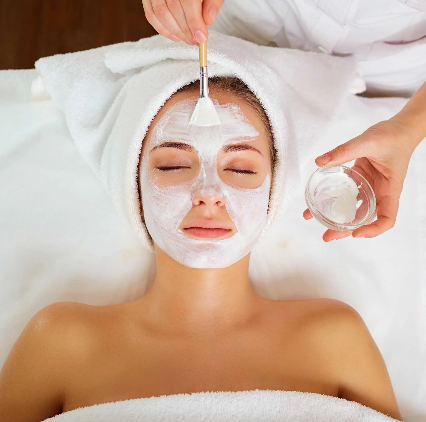
Walking into a medical spa for the first time can feel a little like walking into a specialty food market when you’re hungry but have no idea what half the labels mean. The options are extensive, the terminology is clinical, and somehow everything sounds like exactly what you need. The truth is, not every facial treatment is designed for every skin type or every concern, and making the right match matters more than most people realize.
Understanding what your skin actually needs, rather than what sounds most advanced, is the starting point for getting results that last.
Matching Treatments to Real Skin Goals
One of the most important things you can do before booking any facial treatment is get clear on what you’re hoping to achieve. Hydration goals look different from texture goals. Pigmentation concerns require a different approach than fine lines. And skin that’s dealing with active breakouts needs a completely different strategy than skin showing the early signs of aging.
When you work with Expert Facial Treatments from qualified medical aesthetics providers, the initial consultation is where the real work begins. A skilled practitioner will assess your skin type, your lifestyle, your history with previous treatments, and the specific concerns you want to address before recommending anything. This is what separates a results-driven approach from a spa menu pick.
Why the Treatment Ladder Matters
Medical aesthetics follows what practitioners often call a treatment ladder, meaning there’s a logical sequence to how treatments should be layered and timed for maximum effect. A patient with sun damage and uneven texture, for instance, might start with a chemical peel to resurface the outer layers before progressing to laser treatments that work deeper within the skin. Jumping straight to more intensive procedures without addressing the skin’s baseline condition often leads to underwhelming results and occasionally to irritation.
Starting conservatively also gives your skin time to respond and your practitioner time to understand how your skin behaves. Some clients see dramatic results from a single Bela MD+ facial. Others benefit from a series of microneedling sessions before their skin reaches its full potential. There is no universal timeline, and any practitioner who promises one should raise a flag.
The Difference Between Clinical and Cosmetic Facials
Not all facials carry the same level of intervention, and understanding that spectrum helps set realistic expectations. A traditional spa facial is primarily focused on relaxation and basic surface cleansing. It can leave your skin feeling refreshed, but it does not address deeper structural concerns like collagen loss, scarring, or persistent pigmentation.
Clinical or medical-grade facials, by contrast, use professional-strength ingredients, technology, and techniques that are not available in over-the-counter products or standard spa settings. Treatments like laser resurfacing, radiofrequency microneedling, and medical-grade chemical peels work at a cellular level, stimulating the skin’s own regenerative processes rather than simply cleaning its surface.
The key difference is depth and durability of results. A medical facial may have mild downtime associated with it. A cosmetic facial typically has none. Choosing between them comes down to what your skin actually needs, not just what your schedule allows.
See also: Impact Wrenches and Cordless Impact Wrenches for Structural Fastening
Understanding Downtime Honestly
Downtime is one of the most consistently misunderstood aspects of facial treatments. When practitioners mention it, they are referring to the period during which your skin is in active recovery and may appear red, flaky, or temporarily sensitized. This is not a sign that something went wrong. In most cases, it is a sign that the treatment is doing exactly what it should.
Chemical peels, for instance, deliberately create controlled exfoliation. Laser resurfacing stimulates a healing response in the skin that requires some recovery time before the improvements become visible. Non-invasive treatments like the Jet Peel Facial or OxyGeneo facials involve little to no downtime and can be done before social engagements. More intensive options like the 5G Max Laser Lift or SylfirmX RF microneedling may require a few days of low-profile recovery.
Being honest with your practitioner about your schedule and your tolerance for visible recovery time allows them to design a treatment plan that works around your life, not just your skin.
The Role of Skincare Between Appointments
One of the biggest factors in determining how well any facial treatment performs is what you do between sessions. Medical-grade skincare products are formulated to maintain and extend the benefits of in-clinic treatments, and skipping a proper at-home routine can significantly slow the results you see.
Sun protection is non-negotiable. Many facial treatments, particularly chemical peels and laser-based options, temporarily increase photosensitivity. Using a broad-spectrum SPF daily is not just a good habit. It is an essential part of protecting the investment you are making in your skin. Moisturization, gentle cleansing, and avoiding harsh active ingredients immediately after treatment all contribute meaningfully to your outcomes.
Your practitioner should give you specific post-treatment guidance tailored to whatever procedure you have done. Following those instructions closely is just as important as the treatment itself.
Combining Treatments Strategically
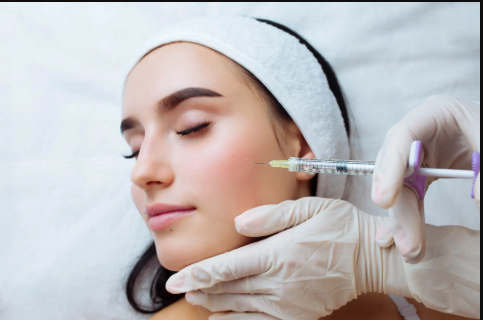
For clients with multiple skin concerns, combining treatments across a planned schedule often delivers better results than a single intensive session. A practitioner might recommend a series of skin booster injections for deep hydration alongside periodic laser treatments for pigmentation, with microneedling sessions layered in to address texture over time.
This kind of strategic approach is common in medical aesthetics and reflects the understanding that skin transformation is rarely a single-event outcome. According to the American Academy of Dermatology, many skin concerns including acne scarring and photoaging respond better to a combination of treatments over time than to any single modality because the skin needs multiple mechanisms of stimulation to generate meaningful collagen and cellular renewal.
The best practitioners in this field function as long-term partners in your skin health, not just service providers for individual appointments. Their role is to help you understand what is happening in your skin, why a particular treatment sequence makes sense, and what realistic improvements look like over a realistic timeframe.
Asking the Right Questions Before You Commit
Before booking any facial treatment, there are a few questions worth asking that separate informed decisions from impulse ones. What specific skin concern is this treatment designed to address? How many sessions will I need to see meaningful results? What does aftercare look like, and what should I avoid in the days following treatment? Are there any contraindications I should be aware of given my skin type or any medications I am taking?
Good practitioners will welcome these questions. They are the mark of a client who is serious about getting results, and serious clients get the most out of their treatments because they understand what they are participating in. Taking the time to have that initial conversation, rather than simply booking the most popular treatment, is the single most valuable thing you can do before your first appointment.