Fixture and Water Heater Brands: A Replacement-Planning Guide for Property Managers
Commercial property managers often face the challenge of planning replacements for plumbing fixtures and water heaters before failures disrupt tenants or business operations. A common scenario arises when a long-term tenant calls about a leaking faucet or an unreliable hot water supply. Waiting for a complete breakdown can lead to emergency repairs, higher costs, and tenant dissatisfaction. Recognizing the lifespan of specific Fixture and Water Heater Brands, understanding warranty terms, and tracking maintenance schedules are all part of a proactive replacement strategy. The right approach minimizes downtime, manages expenses, and ensures that properties remain attractive to tenants who expect reliable and efficient plumbing systems.
Fixture and Water Heater Brands for Property Managers
Property managers must navigate a crowded marketplace of plumbing fixtures and water heater brands, each offering varying durability, warranty coverage, and compatibility with commercial requirements. For example, brands like Moen and Delta are often chosen for high-traffic restrooms due to their robust build and widely available replacement parts. When selecting a brand, managers should consider ease of sourcing components and the brand’s reputation for longevity in commercial settings. Reviewing warranty documentation can clarify what repairs or replacements are covered, helping avoid unexpected costs during the product’s service life.
In the case of water heaters, brands such as Rheem and AO Smith are frequently specified in multi-unit buildings because of their range of high-capacity models and service networks. Verifying that a chosen brand aligns with local plumbing codes and energy efficiency requirements is another step property managers cannot overlook. Understanding these factors helps streamline future maintenance and ensures that any necessary replacements proceed without regulatory delays.
For a comprehensive overview of Fixture and Water Heater Brands, property managers can review manufacturer specifications, model histories, and feedback from other professionals using similar products. This information helps narrow down options and supports long-term planning decisions for plumbing system upgrades.
Choosing Plumbing Fixtures for Commercial Properties
Selecting the right plumbing fixtures in a commercial context goes beyond aesthetics. A property manager evaluating a new sink or faucet should consider ADA compliance (which refers to requirements for accessibility), water usage rates, and vandal-resistance features. For example, touchless faucets from recognized Fixture and Water Heater Brands for property managers can reduce water waste and maintenance in public restrooms. Compatibility with existing plumbing infrastructure is another practical concern; retrofitting a modern fixture into an older building may require adapters or additional installation steps.
Durability is especially important in high-use environments. Materials like solid brass or stainless steel tend to last longer and resist corrosion compared to plastic alternatives. Consideration of commercial plumbing codes and standards ensures that new installations meet both safety and efficiency benchmarks. Managers should also keep an inventory of frequently needed replacement parts for popular models to support fast repairs and minimize tenant disruption.
Finally, the decision to standardize on one or two brands for an entire property portfolio can simplify maintenance training and reduce the variety of spare parts needed. This consistency leads to faster service calls and fewer compatibility issues across multiple sites.
Comparing Water Heater Types, Brands, and Operating Costs
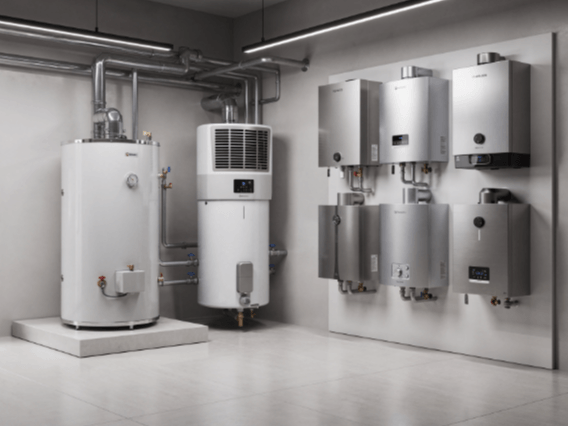
The decision between tankless and storage water heaters is a practical consideration for property managers planning replacements. Tankless models, offered by brands like Rinnai, are valued for their space-saving design and on-demand heating, but they often require higher upfront investment and may need upgrades to gas or electrical supply lines. Traditional storage water heaters from trusted brands are easier to install in retrofit situations and may offer lower initial costs, though their operating expenses can be higher over time due to standby heat loss.
Evaluating the energy efficiency ratings on model labels is another key step. Many water heater brands highlight their Energy Star certifications, which can result in utility savings and may qualify for local incentives or rebates. Considering the total cost of ownership—purchase price, installation, maintenance, and energy consumption—helps property managers make informed choices that align with their budget and sustainability goals.
Comparing water heater efficiency standards and projected service life guides managers toward options that balance reliability with long-term cost control. Tracking maintenance records and warranty coverage for each installed unit supports timely replacements and minimizes unexpected outages.
Replacement Planning, Maintenance, and Budget Considerations
Effective replacement planning requires property managers to create detailed asset inventories that include installation dates, model numbers, and maintenance histories for all fixtures and water heaters. Scheduling annual inspections for both fixtures and water heater brands for property managers can help identify units approaching the end of their service life. Proactive planning allows managers to secure bids from multiple contractors, compare lead times, and lock in favorable pricing before urgent replacements are necessary.
Budgeting for replacements should factor in not just the purchase price but also labor, permitting, and potential upgrades to meet new code requirements. For example, switching to low-flow fixtures may involve adjustments to supply lines or valves to maintain adequate performance. Building a reserve fund specifically for large-scale replacements—such as when several water heaters in a complex are of the same age—reduces financial strain when multiple units need replacement within a short window.
Finally, communicating timelines and planned work with tenants helps manage expectations and minimize disruptions. Transparent updates about upcoming fixture or water heater replacements build trust and allow tenants to plan accordingly, especially in buildings with shared hot water or restroom facilities.
Conclusion
Set a recurring schedule to review the age, warranty terms, and service records of your plumbing fixtures and water heaters. By planning ahead, property managers can avoid emergency repairs, control costs, and maintain the high standard of service tenants expect from well-managed properties.